Light Sensitivity in Children
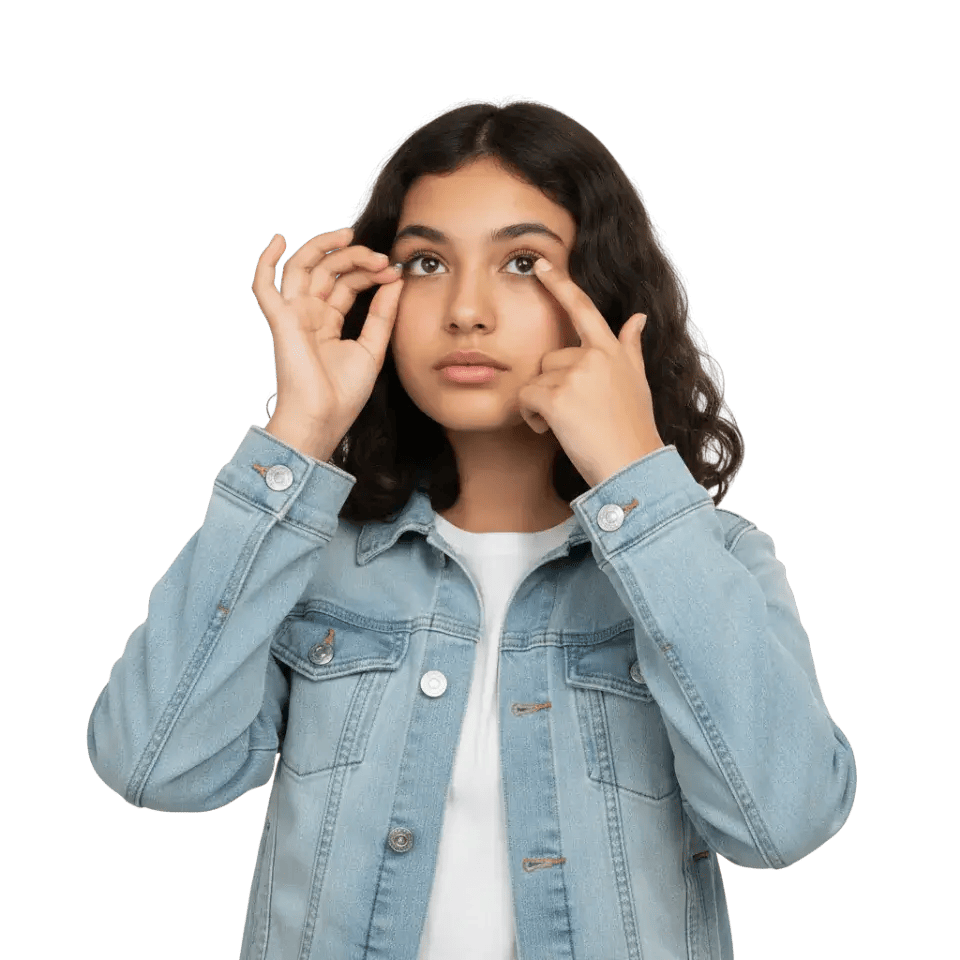

What Light Sensitivity Looks Like in Children
Photophobia is not a fear of light but rather an abnormal sensitivity that makes light sources feel too bright or painful. Your child may have trouble opening their eyes fully in situations where others feel comfortable. This sensitivity can affect one or both eyes and may come and go or remain constant throughout the day.
The discomfort can range from a mild annoyance to intense pain that interferes with school, play, and daily activities. Some children describe it as a burning sensation, while others simply say everything looks too bright.
Recognizing light sensitivity early helps us address the problem before it affects your child's quality of life. Watch for these common behaviors and complaints:
- Frequent squinting or closing of the eyes indoors or outdoors
- Covering the face or turning away from windows and lamps
- Complaining of headaches that get worse in bright spaces
- Excessive tearing or watery eyes in normal lighting
- Preferring to stay in darkened rooms or wearing sunglasses indoors
Younger children may not be able to explain what bothers them, so they might show irritability, crying, or rubbing their eyes frequently. Toddlers often prefer playing in shaded areas and may resist going outside on sunny days. Infants might turn their heads away from bright lights or keep their eyes closed more than expected.
School-age children and teens can usually describe their discomfort more clearly. They may avoid outdoor recess, struggle to see the board in brightly lit classrooms, or have trouble reading when overhead lights are on. Older children might also report that their sensitivity worsens with fatigue or stress.
Some symptoms paired with light sensitivity require urgent medical evaluation. Seek immediate care if your child experiences any of the following:
- Sudden onset of severe light sensitivity with eye pain or redness
- Light sensitivity accompanied by fever, stiff neck, or severe headache
- Vision changes such as blurriness, double vision, or seeing halos around lights
- Recent eye injury or foreign object in the eye
- Light sensitivity after starting a new medication
Why Children Develop Light Sensitivity
Many eye problems can make your child sensitive to light. Corneal abrasions, which are scratches on the clear front surface of the eye, often cause significant discomfort in bright conditions. Inflammation inside the eye, called uveitis, also triggers light sensitivity along with redness and pain.
Other common eye-related causes include dry eye syndrome, conjunctivitis (pink eye), and certain refractive errors like severe astigmatism. Children with light-colored eyes sometimes experience more sensitivity because they have less protective pigment in the iris. Conditions affecting the retina or optic nerve may also lead to photophobia.
Light sensitivity can signal health issues beyond the eyes. Migraines are a frequent cause of photophobia in children, often accompanied by throbbing headaches, nausea, and visual disturbances. Meningitis, though rare, is a serious infection that causes light sensitivity along with high fever and neck stiffness.
Other systemic conditions we consider include viral illnesses, sinus infections, and certain autoimmune disorders. Some children with concussions or traumatic brain injuries develop temporary or lasting light sensitivity. Conditions affecting the nervous system may also alter how the brain processes light signals from the eyes.
Certain medications can increase your child's sensitivity to light as a side effect. Eye drops that dilate the pupils for exams cause temporary photophobia until they wear off. Some antibiotics, antihistamines, and medications used to treat attention or mood disorders may also contribute to light sensitivity.
- Tetracycline antibiotics and some acne medications
- Antihistamines and decongestants
- Certain stimulant medications
- Topical eye medications that affect pupil size
Some children are born with conditions that make them more prone to light sensitivity. Albinism, a genetic condition that reduces pigment in the eyes, skin, and hair, often causes significant photophobia. Aniridia, where the iris is partially or completely absent, also leads to severe light sensitivity because the eye cannot regulate how much light enters.
Research shows that light sensitivity can run in families, especially when linked to migraine disorders. Children with certain developmental differences may also experience sensory processing challenges that include heightened sensitivity to light, sounds, or textures.
How We Diagnose the Cause
We begin with a comprehensive eye examination to evaluate your child's overall eye health and visual function. Our eye doctor will check visual acuity, eye movements, and how the pupils respond to light. We examine the front structures of the eye using a special microscope called a slit lamp to look for inflammation, injury, or other abnormalities.
We also assess the back of the eye, including the retina and optic nerve, after dilating the pupils if needed. The exam is gentle and painless, and we take extra care to make children feel comfortable throughout the process. We may dim the lights or use special filters to minimize discomfort during the examination.
Depending on what we find during the initial exam, we may recommend additional tests to pinpoint the cause. These advanced diagnostics help us see deeper structures and measure how your child's eyes function:
- Corneal topography to map the surface shape of the cornea
- Optical coherence tomography (OCT) to create detailed images of the retina
- Visual field testing to check for areas of vision loss
- Tear film analysis to evaluate dry eye conditions
- Refraction testing to determine if glasses might help
A detailed history helps us understand the pattern and severity of your child's light sensitivity. We will ask when you first noticed the symptoms, whether they are constant or come and go, and what situations make them better or worse. Information about recent illnesses, injuries, or new medications is also important.
We also want to know if light sensitivity runs in your family or if your child has other symptoms like headaches, eye pain, or vision changes. Details about your child's daily activities, screen time habits, and any difficulties at school provide valuable clues for diagnosis.
If we suspect a condition beyond our scope or one that requires specialized care, we will refer your child to the appropriate specialist. A pediatric ophthalmologist may be needed for complex eye conditions, surgical evaluation, or advanced treatment of inflammatory eye diseases.
We may also coordinate with neurologists if we suspect migraines or other neurological causes, or with rheumatologists for autoimmune conditions. Infectious disease specialists become involved if we identify signs of serious infection. Our goal is to ensure your child receives comprehensive, coordinated care from the right team of experts.
Treatment Approaches for Light Sensitivity
The most effective treatment targets the underlying condition causing your child's light sensitivity. If we identify an eye infection, we may prescribe antibiotic or antiviral eye drops. Inflammatory conditions like uveitis typically require anti-inflammatory medications to reduce swelling and discomfort inside the eye.
For children whose photophobia stems from dry eyes, we recommend lubricating eye drops and strategies to improve tear production. When migraines are the culprit, we work with your child's pediatrician or neurologist to develop a headache management plan that may include preventive medications and lifestyle changes.
Specialized lenses can significantly reduce light sensitivity for many children. Tinted lenses in specific colors may filter out wavelengths that trigger discomfort, with FL-41 tint showing particular benefit for migraine-related photophobia. Polarized sunglasses help reduce glare from reflective surfaces during outdoor activities.
We may prescribe photochromic lenses that darken automatically in sunlight and lighten indoors, giving your child seamless protection throughout the day. For some conditions, therapeutic contact lenses called prosthetic lenses can help regulate light entering the eye. In 2025, we also have access to precision-tinted lenses customized to your child's specific light sensitivity profile.
In certain cases, medications can help manage the symptoms or underlying causes of photophobia. If light sensitivity is part of a migraine pattern, preventive medications may reduce both headache frequency and associated light sensitivity. Anti-inflammatory eye drops or oral medications might be necessary for children with uveitis or other inflammatory conditions.
- Prescription lubricating drops for chronic dry eye
- Anti-inflammatory or immunosuppressive medications for uveitis
- Migraine preventive medications when appropriate
- Medicated drops to treat underlying infections
Surgery is rarely required specifically for light sensitivity, but it may be considered when treating certain underlying conditions. Children with severe corneal problems, cataracts, or structural abnormalities that cause photophobia might benefit from surgical correction. These procedures are typically performed by pediatric ophthalmologists with specialized training.
Advanced interventions in 2025 may include nerve block procedures for severe migraine-related photophobia that does not respond to other treatments, though these are reserved for specific cases. We always explore conservative options thoroughly before recommending invasive approaches, especially in children whose eyes are still developing.
Daily Management and Self-Care Strategies
Simple adjustments to your home can make your child much more comfortable. Install dimmer switches so you can adjust lighting levels throughout the day. Use lampshades and indirect lighting to soften harsh overhead lights, and position furniture to avoid direct sunlight during peak hours.
Consider blackout curtains or adjustable blinds for bedrooms and play areas, allowing your child to control the amount of natural light. Warm-toned LED bulbs are often more comfortable than cool white or fluorescent lighting. Creating cozy, lower-light spaces gives your child a refuge when sensitivity flares.
Communication with teachers and school staff helps ensure your child can learn comfortably. We can provide a letter explaining your child's condition and recommending reasonable accommodations. Preferential seating away from bright windows or directly under fluorescent lights often helps significantly.
- Permission to wear tinted glasses or a hat with a brim indoors
- Access to a quieter, dimmer space during headaches or flares
- Adjusted screen brightness on classroom computers
- Extra time for assignments if symptoms interfere with reading
- Flexibility to step outside the classroom briefly if needed
Quality sunglasses are essential for light-sensitive children spending time outdoors. We recommend glasses that block 100 percent of UVA and UVB rays and provide adequate coverage on the sides. Wraparound styles offer extra protection from peripheral light.
For children who need protection indoors as well, lightly tinted glasses in amber, rose, or gray can reduce glare without making everything too dark. Some children benefit from wearing a baseball cap or visor with a brim to shield their eyes from overhead lighting. We can help you select the most appropriate eyewear for your child's specific needs and activities.
Digital screens can worsen light sensitivity, but adjustments can make screen use more comfortable. Reduce screen brightness to the lowest comfortable level and enable night mode or blue light filters, especially in the evening. Position screens to avoid glare from windows and overhead lights.
Encourage regular breaks using the 20-20-20 rule: every 20 minutes, look at something 20 feet away for at least 20 seconds. Increasing text size reduces the need to squint or strain. For children who spend significant time on computers for school, screen filters or computer glasses with specialized tints may provide additional relief.
Light sensitivity can be frustrating for children who want to participate in activities like their peers. Help your child understand their condition in age-appropriate terms and empower them to communicate their needs. Role-playing scenarios, like asking a teacher for a seating change, builds confidence and self-advocacy skills.
Validate your child's experiences and reassure them that their discomfort is real and manageable. Encourage them to identify triggers and develop personal coping strategies. Some children benefit from relaxation techniques or mindfulness exercises to manage the stress and anxiety that can accompany chronic photophobia.
Regular follow-up appointments allow us to monitor your child's progress and adjust treatment as needed. We typically schedule a recheck within a few weeks to a few months, depending on the underlying cause and severity. Keep a symptom diary noting when light sensitivity is better or worse, as this information guides our recommendations.
Contact our office sooner if your child develops new symptoms, if sensitivity worsens despite treatment, or if you notice any changes in vision. Children's eyes change as they grow, so ongoing care ensures we catch any new issues early. We are here to support your family throughout the treatment journey and beyond.
Frequently Asked Questions
Sometimes light sensitivity resolves without treatment, especially if it is caused by a temporary condition like a mild eye infection or viral illness. However, persistent photophobia usually indicates an underlying issue that needs professional evaluation and treatment.
Waiting too long without an examination can allow some conditions to worsen or miss opportunities for early intervention that might prevent long-term problems.
Blue light filtering glasses may provide modest relief for some children, particularly those whose sensitivity worsens with screen use or certain artificial lighting. While research on their effectiveness for photophobia specifically is still evolving, many families report subjective improvement in comfort during digital activities.
We can help determine whether blue light glasses, other tinted options, or a combination approach works best for your child's particular situation.
Children with autism spectrum disorder or ADHD may experience sensory processing differences that include heightened sensitivity to light, but photophobia alone does not indicate these conditions. Many children with sensory sensitivities do not have autism or ADHD, and not all children with these diagnoses experience light sensitivity.
If you have concerns about your child's development or sensory processing beyond vision, discuss them with your pediatrician for comprehensive evaluation.
Excessive screen time can contribute to eye strain, dry eyes, and temporary light sensitivity, but current evidence does not show that it causes permanent photophobia in otherwise healthy eyes. That said, developing good screen habits early protects overall eye health and comfort.
Limiting recreational screen time, taking frequent breaks, and ensuring proper lighting around devices helps prevent the eye fatigue that can make light sensitivity worse.
Your child should not have to give up outdoor play and activities they enjoy. With proper protection like quality sunglasses, hats, and timing activities for less intense sunlight, most light-sensitive children can participate comfortably.
Outdoor time is important for overall health, social development, and even eye health, as natural light exposure helps prevent myopia progression. We can work with you to develop strategies that let your child stay active while managing their sensitivity effectively.
Getting Help for Light Sensitivity in Children
If your child shows signs of light sensitivity, schedule a comprehensive eye examination to identify the cause and explore treatment options. Early evaluation and appropriate management can significantly improve your child's comfort, school performance, and quality of life. We are committed to providing compassionate, thorough care that addresses your child's unique needs and helps them thrive in all their daily activities.