Schirmer’s Test for Dry Eye

What is Dry Eye?
Dry eye occurs when your eyes lack enough moisture, which can cause irritation and affect daily activities like reading or driving. Understanding the symptoms, causes, and risks helps you recognize the condition early and seek care to prevent complications.
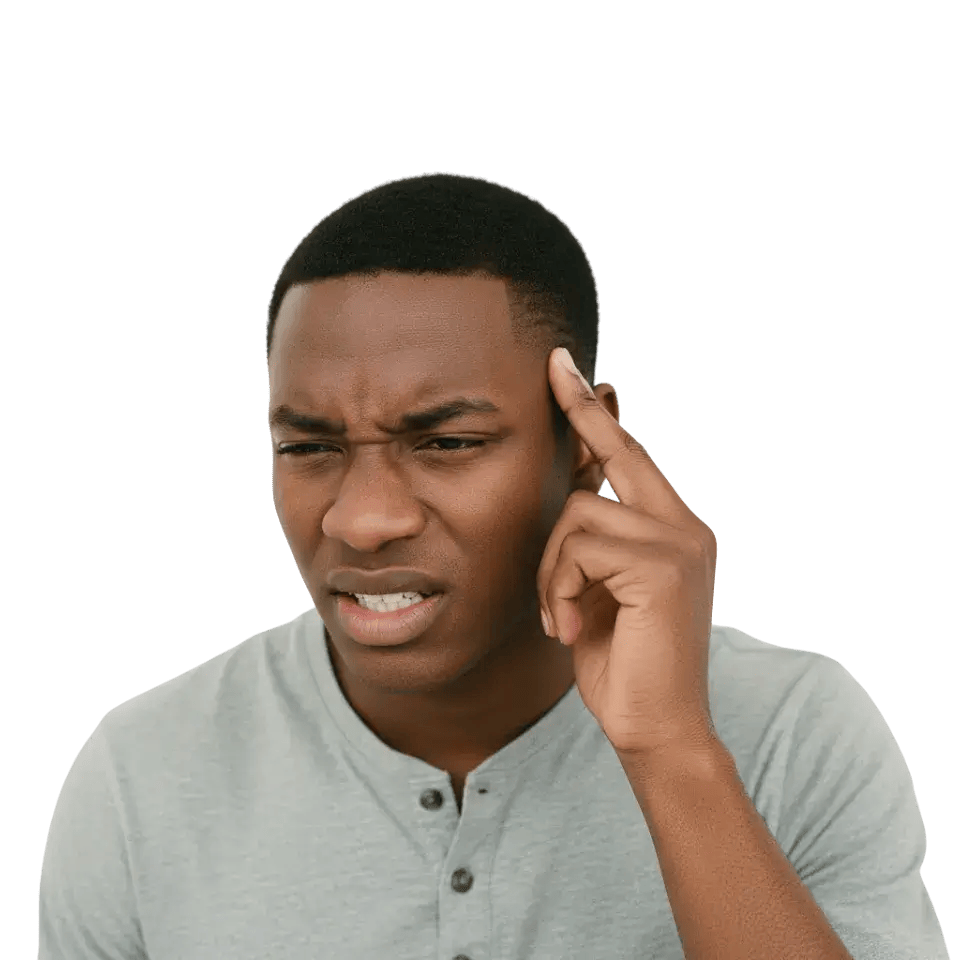
If you have dry eye, you might feel like there is sand in your eyes or experience a burning and stinging sensation. Your eyes could look red, feel tired, or make it hard to wear contact lenses. Some people notice blurry vision that gets better when they blink, and symptoms often worsen in dry, windy, or air-conditioned environments.
Dry eye can come from aging, certain medications like antihistamines, or medical conditions such as rheumatoid arthritis. The most common cause is meibomian gland dysfunction, which reduces the oily layer in tears and makes them evaporate too quickly. Environmental factors like extensive screen time or low humidity also play a role.
Women, especially after menopause, are more likely to get dry eye due to hormonal changes. People over 50, those who stare at screens for long hours, or individuals with autoimmune diseases face higher risks. Wearing contact lenses, having certain eyelid problems, or living in dry climates can also increase your chances.
Dry eye broadly falls into two categories. Aqueous-deficient dry eye occurs when your glands do not produce enough of the watery component of tears. Evaporative dry eye, the more common type, is caused by excessive tear evaporation, often linked to problems with the oil glands in your eyelids.
Without treatment, dry eye can lead to chronic discomfort, inflammation, and an increased risk of eye infections. In severe cases, it can cause damage to the corneal surface, leading to scarring or impaired vision, which highlights the importance of timely evaluation and management.
What is Schirmer's Test?
Schirmer's test is a quick office procedure that checks tear production by placing a small paper strip under your lower eyelid. It helps determine if low tear volume is causing your dry eye symptoms.
The test uses a thin strip of filter paper placed at the edge of your lower eyelid for about five minutes, often with numbing drops to ensure comfort. The strip measures how much it gets wet from your tears. Less than 5 millimeters of wetting often indicates severe dry eye, while 5 to 10 millimeters may suggest mild to moderate dry eye. More than 10 millimeters is usually considered normal.
You will sit comfortably while the strips are inserted, and you might feel a slight tickle but no pain. You should keep your eyes gently closed during the test to avoid interfering with the results. The whole process takes just a few minutes per eye.
Schirmer's test is most reliable for detecting significantly reduced tear production but may not catch milder or evaporative cases. It is often combined with other exams, like tear break-up time or meibomian gland evaluation, for a complete diagnosis. Results can vary, so multiple tests might be needed.
There are two main types of the test. Schirmer I is done without anesthesia to assess both baseline and reflex tearing. Schirmer II uses a topical anesthetic to measure only the basal, or baseline, tear secretion. Your doctor will select the appropriate test based on your symptoms.
The test is generally very safe, with minimal risk of irritation or an allergic response to the paper strips or eye drops. Your eye doctor will take precautions if you have sensitive eyes or other ocular conditions.
Why Get Schirmer's Test?
This test is a key step for confirming a dry eye diagnosis and guiding an effective treatment plan, especially if symptoms persist. It provides clear data on tear production, which can be reassuring for patients.
Anyone with ongoing eye discomfort, such as burning, watering, or sensitivity to light, should consider this test. It is especially helpful for those with autoimmune conditions like Sjögren’s syndrome or for patients who have had eye surgeries. If over-the-counter drops are not helping, the test can help pinpoint the problem.
Spotting dry eye early helps prevent worsening symptoms and potential damage to the surface of the eye. It allows for personalized treatments that improve your quality of life. Many patients feel relief knowing their condition is manageable and not something more serious.
If your symptoms are mild and respond to simple changes like using a humidifier or taking screen breaks, you might not need the test right away. Your eye care team will make a decision based on your full history and examination. Other tests may be better if tear quality, not quantity, is the main concern.
Schirmer’s test is one part of a comprehensive dry eye evaluation. This evaluation may also include symptom questionnaires, imaging of the tear film, an eyelid examination, and an assessment of tear quality. Combining these tests enables a more precise diagnosis.
Preparing for Schirmer's Test
Getting ready for the test is easy and involves a few simple steps to ensure accurate results. Proper preparation helps make the experience smooth and comfortable.
Avoid using artificial tears or eye ointments for at least two hours before the test, as they can affect the results. If you wear contact lenses, please remove them and bring your glasses instead. Be sure to tell your eye care professional about any medications, allergies, or medical conditions you have.
Wear comfortable clothing and plan to relax, as the test is short. It is best to remove any eye makeup before your appointment to avoid interference with the test strips. You can stay hydrated as usual, but drinking water right before the test does not directly impact the results.
Inform your doctor about any medications you are taking, especially those that could influence tear production, such as antihistamines, antidepressants, or certain blood pressure drugs. They may advise adjustments or schedule testing accordingly.
Avoid rubbing your eyes before the appointment, as this can temporarily increase tear production and affect the accuracy of the test results.
Treatment Options After the Test
If the test confirms you have dry eye, various treatments can help restore moisture and comfort to your eyes. The options range from simple lifestyle changes to advanced medical therapies and will be tailored to your specific needs.
Many people find significant relief with simple adjustments at home and work.
- Use a humidifier to add moisture to the air, especially in dry climates or during winter.
- Take frequent breaks from screens every 20 minutes to blink fully and rest your eyes.
- Apply warm compresses to your eyelids to help unblock oil glands and improve tear quality.
- Protect your eyes from wind and dry air by wearing wraparound sunglasses when outdoors.
Artificial tears can provide quick moisture without a prescription, with preservative-free options being safest for frequent use. Some people find that omega-3 fatty acid supplements help improve tear quality, but you should speak with your doctor before starting them.
For more persistent cases, prescription eye drops like Restasis or Xiidra can reduce inflammation and boost your natural tear production. Punctal plugs are tiny, dissolvable or permanent devices inserted into tear ducts to help keep tears on the eye surface longer. Newer options include a nasal spray that stimulates tear production and special drops for evaporative dry eye.
For severe or complex cases, advanced options are available. These may include intense pulsed light (IPL) therapy to treat meibomian gland dysfunction, autologous serum eye drops made from your own blood, and scleral lenses that create a protective, hydrating shield over the cornea.
Since dry eye is often a chronic condition, regular follow-up appointments are important. These visits allow your doctor to monitor your symptoms, adjust your therapy as needed, and protect your vision for the long term.
Frequently Asked Questions About Schirmer's Test
Here are answers to some of the most common questions patients ask about the Schirmer's test and dry eye diagnosis.
No, the test is not painful. Most people feel only a mild sensation, like a piece of paper touching the eye. Numbing drops are often used to ensure you remain comfortable throughout the short procedure.
The results are available immediately after the five-minute test. Your eye care professional will measure the amount of wetting on the paper strips and explain what the numbers mean during your appointment.
Yes, you can usually drive yourself home. The test does not affect your vision long-term, though if numbing drops are used, your vision might be slightly blurry for a very short time.
If results indicate dry eye, your care team will recommend a personalized treatment plan. This may include artificial tears, prescription drops, or lifestyle changes. Symptoms often improve with consistent care.
This test primarily measures the quantity of the watery component of your tears, so it is most effective for detecting aqueous-deficient dry eye. Other tests are needed to identify evaporative dry eye caused by issues like meibomian gland dysfunction.
Yes, the test is safe and can be used on children. Younger patients may be more aware of the paper strips, but pediatric eye doctors use techniques to keep the test comfortable and accurate.
The frequency depends on your symptoms and treatment plan. Some patients only need the test once for an initial diagnosis, while others may have it repeated over time to track their response to treatment.
Yes. Alternatives include measuring tear break-up time (TBUT), tear osmolarity testing, meibomian gland imaging, and using special dyes to look at the corneal surface. Your doctor will choose the best combination of tests for a full assessment.
Yes, certain systemic medications like antihistamines, antidepressants, and some blood pressure drugs can reduce tear production and lower your test results. Always provide your doctor with a complete list of your current medications.
Contact lenses must be removed before the test because they can interfere with tear distribution and lead to inaccurate results. The test can help determine if discomfort while wearing contacts is linked to underlying dry eye.
The test can reveal the severe low tear production that is a hallmark of Sjögren’s syndrome, but it cannot diagnose the condition on its own. If results are very low, your eye doctor may recommend further medical testing with a specialist.
In many cases, yes. Because dry eye is a recognized medical condition, insurance often covers diagnostic testing like the Schirmer's test. However, coverage can vary, so it is best to confirm with your insurance provider beforehand.
Accuracy can be influenced by room humidity, the time of day, recent eye drop use, and even a patient's blinking patterns. This is why doctors use standardized procedures and may repeat the test if results are borderline or unexpected.
A wetting measurement between 5 and 10 millimeters may signal mild or intermittent dry eye. In these cases, your doctor will correlate the findings with your symptoms and other diagnostic tests to develop an appropriate management plan.
Taking Care of Your Eyes
Understanding Schirmer's test and dry eye empowers you to take control of your eye health. If you notice symptoms, reach out to our eye doctors for guidance and possible testing. With the right approach, most people find relief and maintain comfortable, clear vision for years to come.